
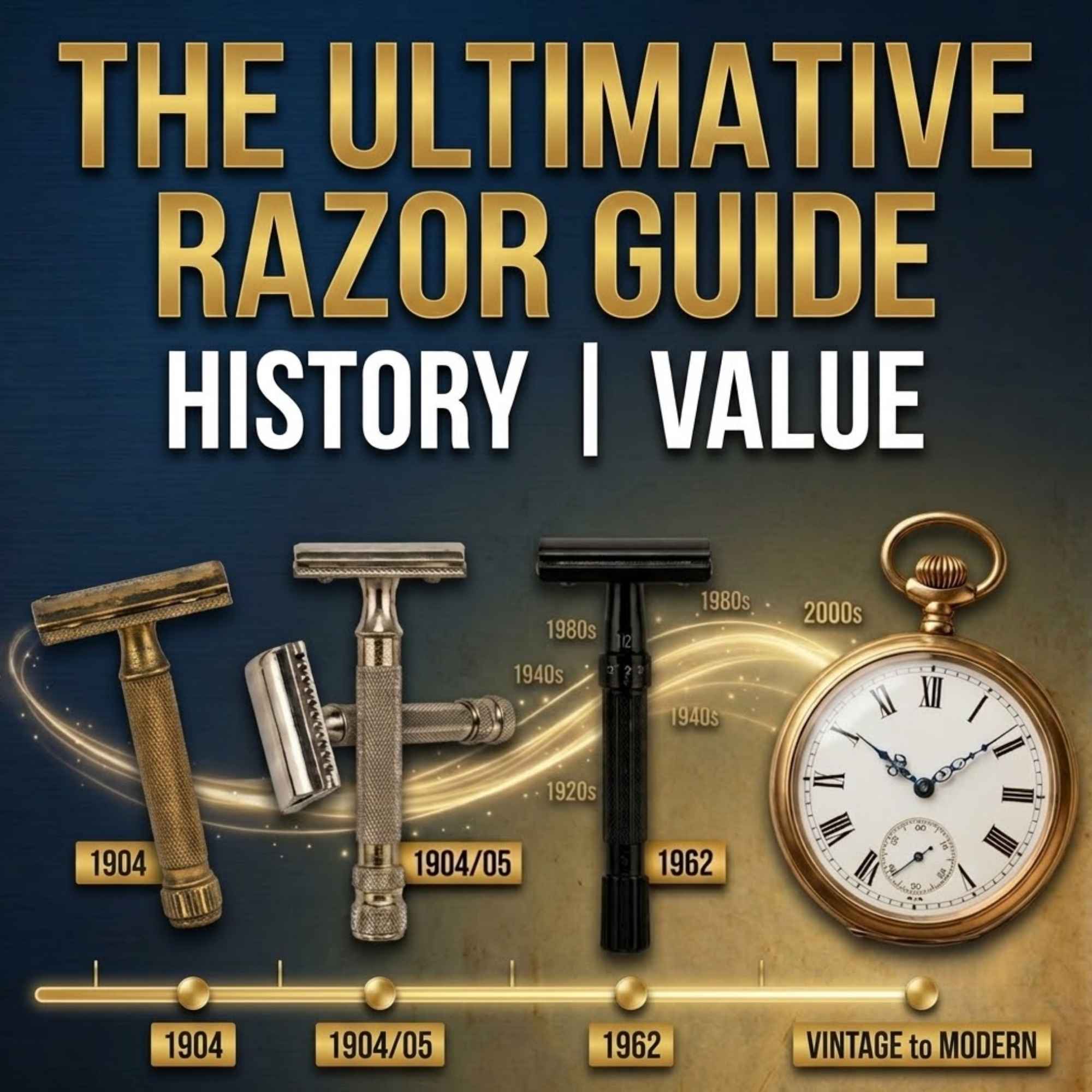
Vintage-Razor.com is a comprehensive, independent archive that documents historic Gillette safety razors, rare models, sets, blades, packaging, and the history of the Gillette Company dating back to 1903. It features more than 600 different Gillette razor models and Gillette-related objects, sorted by model series, ranging from the Old Type razors to the Adjustable razors and the Tech series.
The collection includes documented examples from the United States, England, Canada, France, Germany and other countries, with detailed information about models, production periods, rarity, provenance and variations.
Feel free to send me a message or let me know if you have any additional information.
I developed the Gillette Vintage Price Index (GVPI) to show the price trend of Gillette razors. The index includes very well-known models such as the Gillette Toggle, Fatboy, Aristocrat, Tech, OldType, etc. I have weighted them according to availability. The Gillette Tech razor is weighted higher, as it is generally cheaper, but of course a performance must also be represented compared to a Gillette Toggle razor. The GVPI was determined with the help of ChatGpt on the basis of historical auctions on eBay.
The four newest additions to my collection!
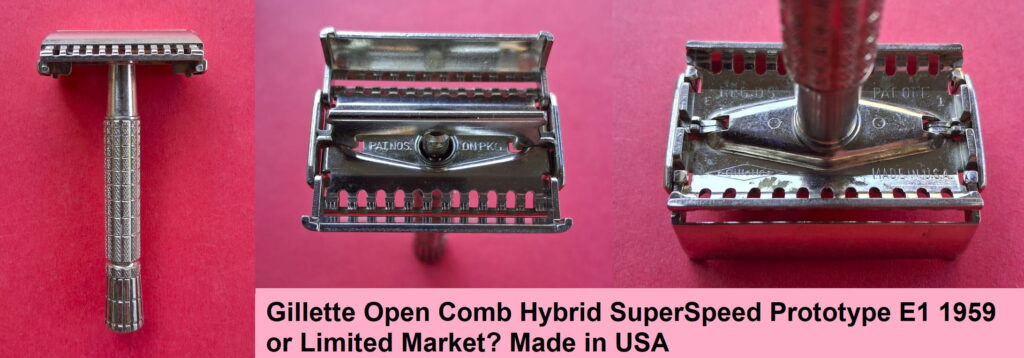
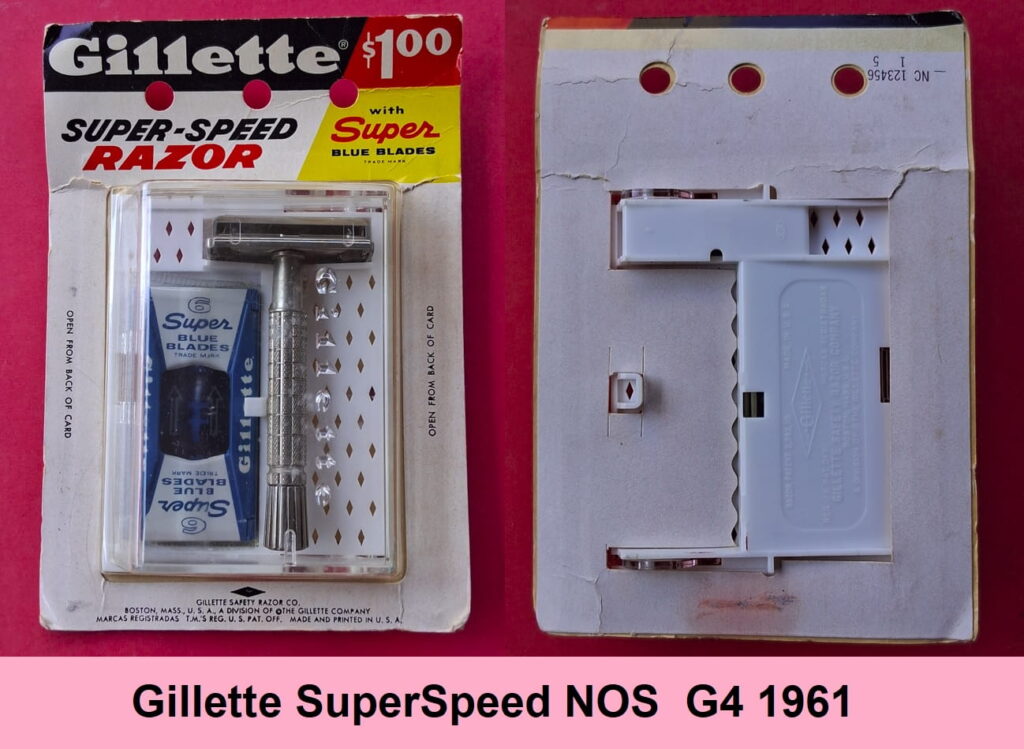
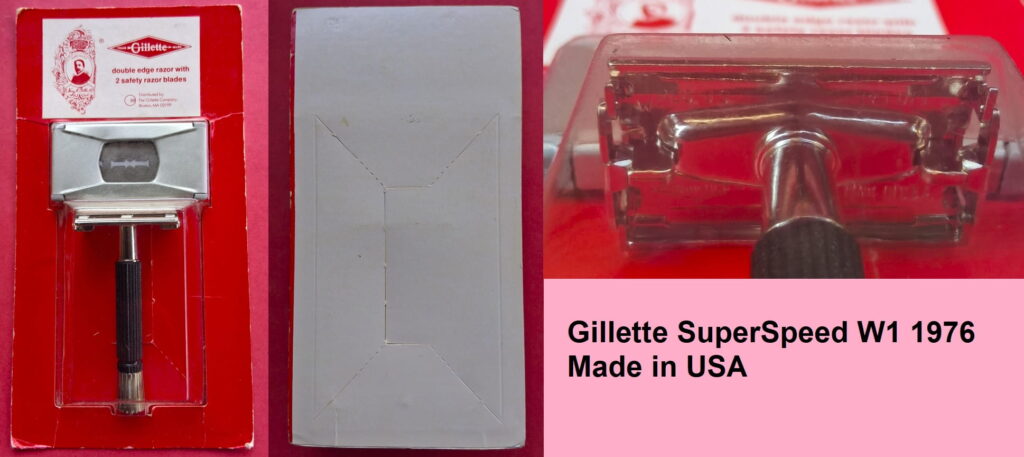
supported by www.lovetann.de
Are vintage razors better than modern safety razors?
Many enthusiasts prefer vintage razors due to their superior build quality, using solid brass and nickel plating rather than modern zinc alloys. Iconic models like the Gillette Fatboy offer adjustability and a shaving geometry that is often considered more balanced and durable than mass-produced modern alternatives.
Which vintage razor is best for a beginner?
For beginners, we recommend a mild „Closed Comb“ razor, such as the Gillette Tech or a Gillette Super Speed from the 1940s or 50s. These models are forgiving, easy to load, and provide a gentle introduction to wet shaving without the aggressiveness of open-comb designs.
Can I use modern double-edge blades in a 1920s vintage razor?
Absolutely. One of the best things about vintage safety razors is that the standard double-edge (DE) blade design hasn’t changed significantly in over 100 years. Whether it’s a 1920s Gillette Old Type or a 1960s Flare Tip, modern high-quality blades will fit perfectly.
How can I identify the manufacturing year of my Gillette razor?
Most vintage Gillette razors feature a „Date Code“ consisting of a letter and a number (e.g., K2) found on the underside of the base plate. The letter represents the year, and the number represents the quarter. You can find our comprehensive Gillette Date Code chart on our site to identify your specific model.
What is the difference between Open Comb and Closed Comb vintage razors?
Open Comb razors feature a „teeth“ design that allows more lather to reach the skin, making them ideal for thick or multi-day beard growth. Closed Comb razors have a solid safety bar, providing a smoother, more protective feel, which is generally preferred for daily shaving and sensitive skin.
How do you sanitize and restore a vintage razor?
There is a multi-stage cleaning process. This includes ultrasonic cleaning to remove organic residue, medical-grade disinfection (Barbicide), and manual polishing. This ensures the mechanical parts move freely and the razor is 100% hygienic for its new owner. But if you have a collectable razor sometimes it is better to preserve the current condition and pantina, especially for early silver plated razors.
How often should I clean my vintage safety razor?
For optimal performance and hygiene, we recommend a light cleaning with an old toothbrush and mild dish soap every time you change the blade (usually every 5-7 shaves). A deeper soak in warm water and vinegar (avoid for gold-plated) once a month keeps the mechanical parts like TTO doors or adjustment dials moving smoothly.
Are vintage Gillette Fatboy and Slim adjustable razors worth the investment?
Yes, these models are highly sought after by collectors and users alike. Their 1-9 adjustability settings allow you to customize the blade gap, making them incredibly versatile. Since they are no longer in production, well-maintained or restored models tend to hold or even increase their value over time.
Why is my vintage razor plate losing its shine?
Most vintage razors are made of nickel-plated brass. Over decades, the plating can wear thin (brassing) or develop a patina. While this doesn’t affect the shave, professional polishing or re-plating can restore the original mirror finish. We recommend non-abrasive cleaners to preserve the remaining plating.
Is shaving with a vintage safety razor sustainable?
Yes, it is one of the most eco-friendly ways to shave. By using a vintage razor, you are recycling a high-quality tool that lasts for decades. Combined with plastic-free double-edge blades, you eliminate the waste of disposable plastic cartridges and reduce your environmental footprint.